Jan 15, 2026

Michael Xing, Founder of Pingo AI
You want real fluency in French but are overwhelmed by a flood of online French classes, app lessons, live tutors, and course reviews. Which path actually builds speaking skills? Techniques that make the best way to learn Arabic online also work for French: steady conversation practice, targeted pronunciation work, clear grammar drills, and courses that mix video lessons with interactive exercises and live conversation. This guide cuts through claims to compare the best French courses online, from beginner lessons and self-paced programs to certified tracks, so you can choose the course that will get you speaking.
To help you make that choice, Pingo AI offers a simple AI language-learning app that provides personalized practice, instant feedback, and conversation exercises so you can test course styles and build the speaking habits that lead to real fluency.
Summary
Decision paralysis is widespread: over 50% of learners report struggling to find a suitable online French course amid dozens of apps and programs, diverting time to sampling rather than building speaking habits.
Course design often prioritizes scalable formats over production, and approximately 70% of students report dissatisfaction with online French courses, typically because they lack repeated, corrected speaking practice.
Shrinking institutional support reduces opportunities for natural practice: enrollment in French courses is down 25% over five years, and only 15% of students now choose French, reducing the peer groups that turn rehearsal into habit.
Speaking is the hardest skill to master: 75% of language learners report speaking practice is the most challenging aspect, yet only 30% of language courses include sufficient speaking practice, creating a structural gap between comprehension and real-time response.
Short, frequent production beats sporadic long sessions; the guide recommends five minutes of targeted speaking every day rather than an hour once a week, because repeated low-stakes attempts accelerate proceduralization and fluency.
Learners face tool fragmentation and choice overload, as illustrated by a curated list of 27 top French course options. Yet over 300 million people speak French worldwide, underscoring the need for targeted practice across many accents and real-world scenarios.
This is where Pingo AI's AI language-learning app fits in, offering always-available conversation practice, instant pronunciation correction, and scenario-driven repetition to support the short, frequent speaking cycles the article recommends.
Why Finding “The Best French Course Online” Is Hard
Finding the best online French course is hard because there is a massive choice but uneven value, and most options don’t align with a learner’s real goal, which for almost everyone is speaking confidently in real situations. You end up comparing different promises rather than measurable outcomes, so the decision becomes guesswork rather than strategy.
Why Does Choice Feel Paralyzing?
The market is noisy, with dozens of apps, video programs, tutor marketplaces, and subscriptions competing on price and polish rather than outcomes. Over 50% of learners struggle to find a suitable online French course due to the overwhelming number of options, according to Lingua Learn, and that saturation raises the cost of making a smart pick: you spend time sampling instead of practicing. When you’re choosing between glossy UX and long lesson libraries, you’re choosing form over what actually produces usable speech.
Why Is Course Quality So Inconsistent?
Courses optimize different things, and many prioritize comprehension drills, vocabulary lists, or exam skills because those scale easily. Approximately 70% of students report dissatisfaction with the quality of online French courses they have tried, according to Lingua Learn. This dissatisfaction often stems from a mismatch between advertised goals and learners' actual needs, namely, spontaneous speaking and corrective feedback. In practice, content that appears pedagogically rich still leaves learners unable to handle a five-minute conversation without freezing.
What Actually Blocks Speaking Progress?
This pattern appears across classroom, self-study, and marketplace settings:
Recognition grows quickly
Production lags because most resources do not include repeated
Corrected speaking practice under realistic pressure
After working with learners preparing for interviews and travel over a three-month period, the common pattern was clear: they could follow podcasts and pass quizzes, yet they froze when asked to respond extemporaneously. That gap creates persistent frustration, and frustration quickly kills consistency.
Closing the Feedback Loop: The Science of Rapid Retention
Most learners follow a familiar routine:
Structured lessons
Passive listening
Occasional one-off tutoring sessions
That approach works early, but as conversational demands grow, the effort fragments across tools, progress slows, and momentum collapses into sporadic practice. Solutions like Pingo AI offer an alternative path:
Native-sounding AI tutors
Instant pronunciation correction
200-plus real-life scenarios
Guided Tutor Mode
Learners can practice real dialogues anytime. This shortens the feedback loop and replaces scattered tools with a single, always-available practice engine.
Lowering the Affective Filter: Why Anxiety is Your Biggest Learning Block
There is an emotional cost here that matters: learners feel stuck and embarrassed, then resigned, then determined again when they find something that actually forces them to speak. That emotional cycle explains why people jump between courses instead of sticking with one method long enough to get fluent, and why decision paralysis becomes a productivity problem, not just an information problem.
Related Reading
The Common Problem With Most French Courses
Most French courses fail because they prioritize scale and assessment over the repeated, corrected speaking practice that builds spontaneous production. That mismatch creates a steady supply of passive knowledge and a striking shortage of durable speaking habits, so learners stall where it matters most: in real conversation.
Why Do Course Designs Favor Comprehension Over Production?
This pattern appears across classrooms and commercial apps: lessons are packaged as videos, quizzes, and vocabulary modules because those formats scale and measure easily. Administrators and product teams prioritize metrics that look good on reports, completion rates, time-on-task, and exam scores, so live speaking practice, which costs time and teacher attention, gets deprioritized. The technical consequence is predictable: a program that can certify comprehension but not guarantee readiness to speak under pressure.
How Do Shrinking Programs And Smaller Peer Groups Make The Problem Worse?
Declining institutional support compounds the design failure; for example, enrollment in French courses has dropped by 25% over the past five years, according to BBC News, and only 15% of students now choose French as a language option. Both BBC News reports from 2025 point to waning demand and fewer natural conversation partners. When cohorts shrink, class time shifts to efficient, testable tasks, and low-stakes peer practice evaporates, so even well-designed courses lose the social scaffolding that turns rehearsal into habit.
What Happens To Learners When Opportunities To Speak Disappear?
The emotional pattern is consistent and corrosive: a single awkward exchange creates:
Avoidance
Confidence drains
Practice frequency collapses
That avoidance is practical, not moral; learners choose the least costly path of repetition and recognition because speaking exposes every gap instantly.
Over weeks, the habit loop flips:
Practice drops
Progress stalls
Motivation follows
The human detail matters here because fluency is as much about failing safely and trying again as it is about knowing words.
Bridging the Broca-Wernicke Gap: Why Your Brain ‘Freezes’ During Speech
Most teams manage language learning through prerecorded content because it is familiar and cheap. That works early, but as the goal moves from comprehension to conversation, the approach creates a hidden cost; learners face real interactions with no muscle memory or corrective feedback, so the first live conversation feels like starting over. Solutions like Pingo AI provide an always-available, native-sounding AI tutor with instant, actionable corrections and scenario-driven repetition, compressing the feedback loop and giving learners the safe, repeated speaking practice they cannot get from prerecorded lessons or scarce tutor hours.
What Practical Shifts Actually Move A Learner From Understanding To Speaking?
Focus practice on short, frequent production cycles where the learner must retrieve, adapt, and respond without a script. Use varied role-play prompts so the same phrase must be reused in new contexts, creating transferable fluency. Provide corrective feedback immediately and specifically, showing what to fix and how to fix it in the moment. Build a low-pressure habit loop: five minutes of targeted speaking every day beats an hour of passive listening once a week. Think of it this way: practicing passive skills is like watching someone swim; you need to get in the water to learn how to move. That fixes a lot, but the real test is what happens when motivation wanes, and the course must sustain speaking practice without live teachers.
27 Best French Courses Online

These are the best online French courses and platforms, organized so you can pick the right tool for your immediate goal, whether that is:
Free listening practice
Guided grammar
Speaking drills
Tutor-led conversation
DELF prep
If you want to dive straight into speaking, using an AI language-learning app can bridge the gap between theory and real-world conversation. I list each option, who it fits, what it does best, and one tactical way to use it so you get results rather than just collecting subscriptions.
1. Pingo AI
Best for speaking-first practice and daily dialogue drills. Pingo AI simulates natural conversations across 200-plus real-life scenarios with instant, actionable feedback and two modes that personalize practice for beginners or advanced learners. Use it for short, habitual speaking sessions, five minutes daily, rather than long periods of passive listening to build spontaneous production.
2. Coffee Break French
Best for commuters and auditory learners who need bite-sized lessons. The podcast format combines vocabulary, grammar guidance, and cultural notes in 20–40-minute episodes that fit between tasks. Follow each episode with a two-minute spoken summary to force active retrieval.
3. BBC Languages French (archived)
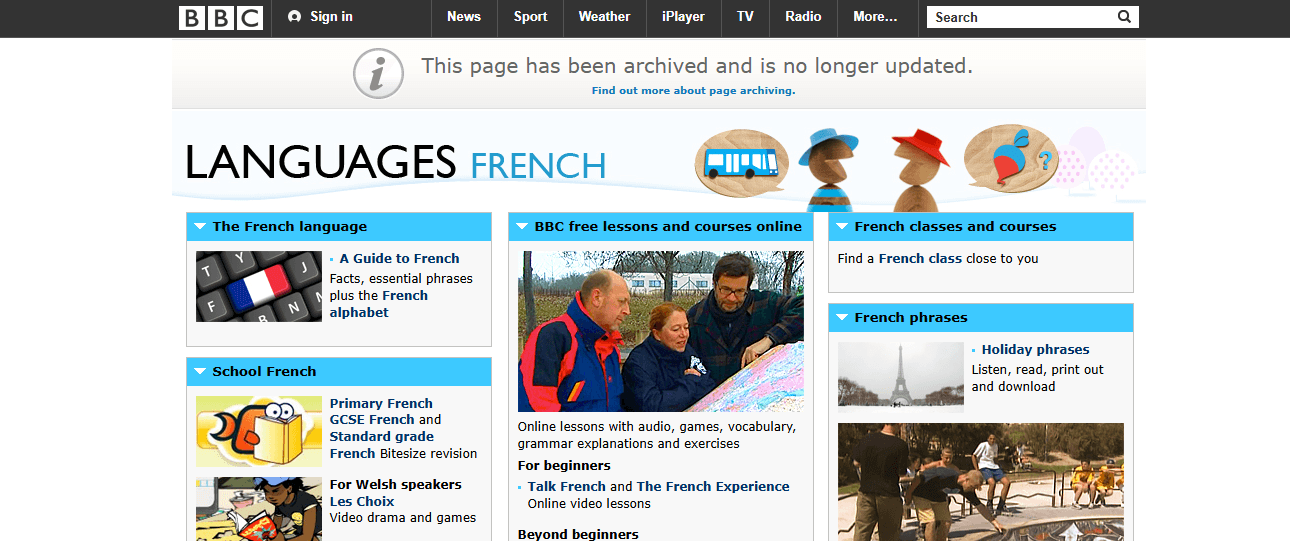
Best for absolute beginners who want clear survival phrases and short videos, with no paywall. The archive is compact and focused, making it a quick bootstrap for travel vocabulary and pronunciation basics.
Combine it with voice recording:
Repeat a clip
Record yourself
Then compare
4. YouTube: French With Alexa
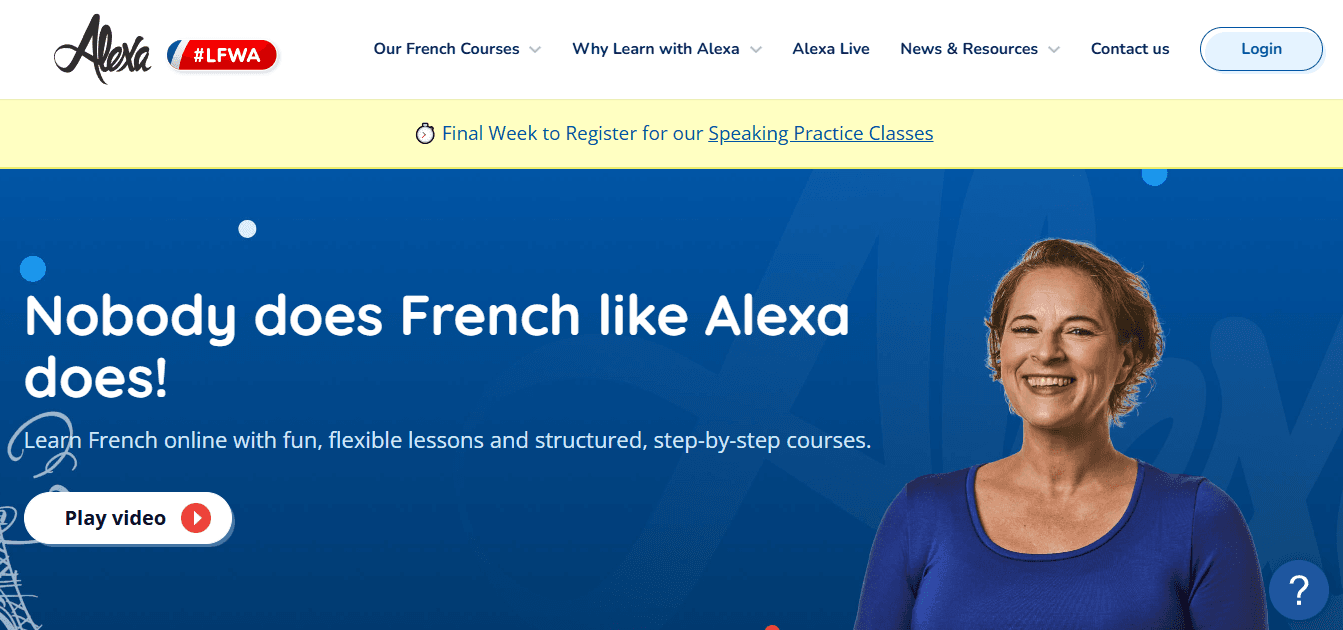
Best for visual learners who need friendly explanations of grammar points. Alexa’s structured playlists break down tricky patterns with personality and clear pacing. Use playlists to create a weekly lesson plan and practice aloud after each video.
5. News in Slow French
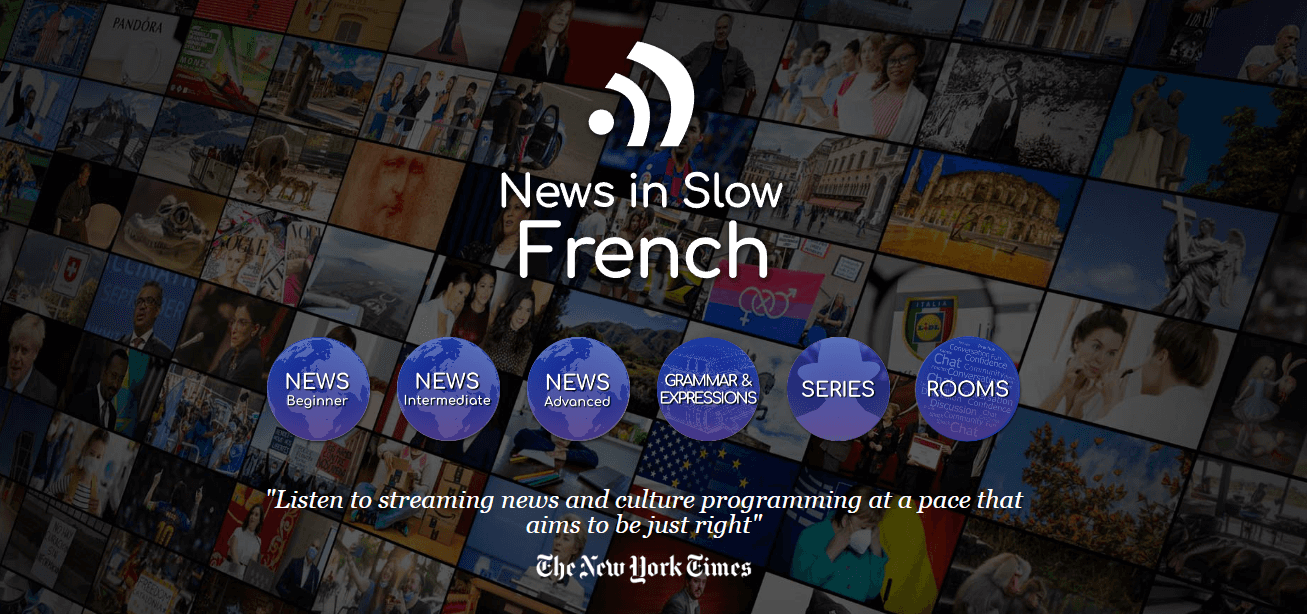
Best for bridging A2 to B1 listening with topical content. The slowed delivery preserves authentic vocabulary, makes comprehension more realistic, and broadens the real-world lexicon through regular use. After listening, summarize aloud in French to convert comprehension into production.
6. InnerFrench (YouTube)
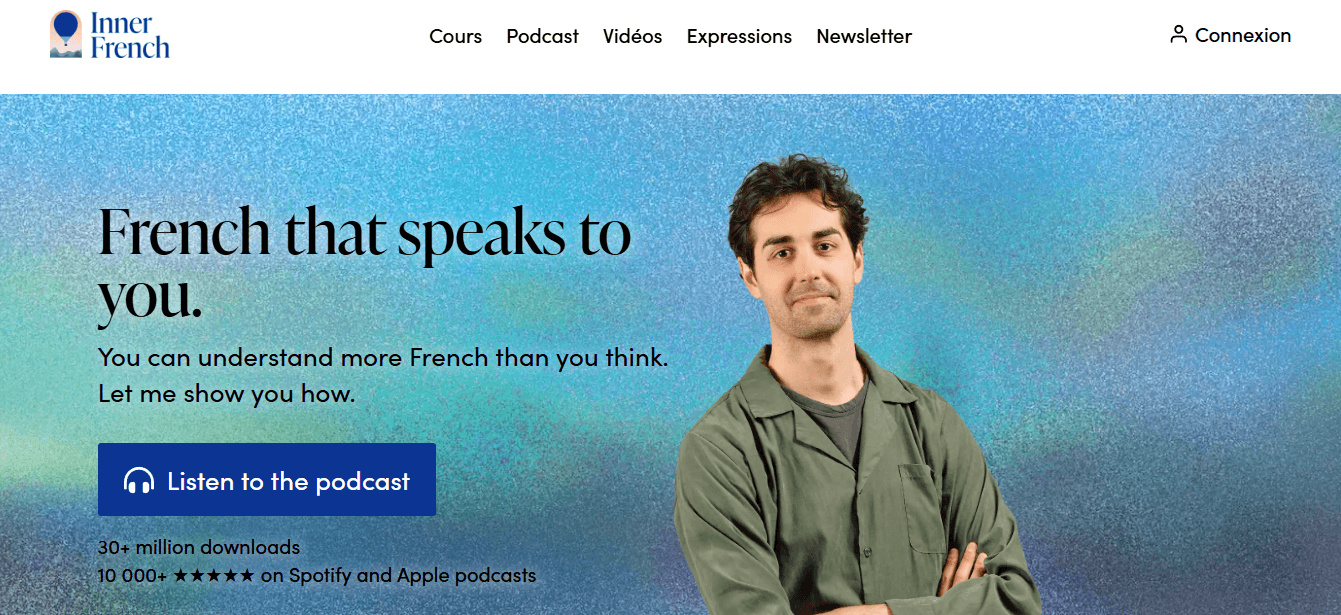
Best for learners at B1 and above who want natural speech at a slightly reduced pace. The host uses full sentences and cultural framing, which trains contextual understanding and nuance.
Treat these videos as immersion sessions: listen once, then narrate the same story out loud.
7. Comme Une Française
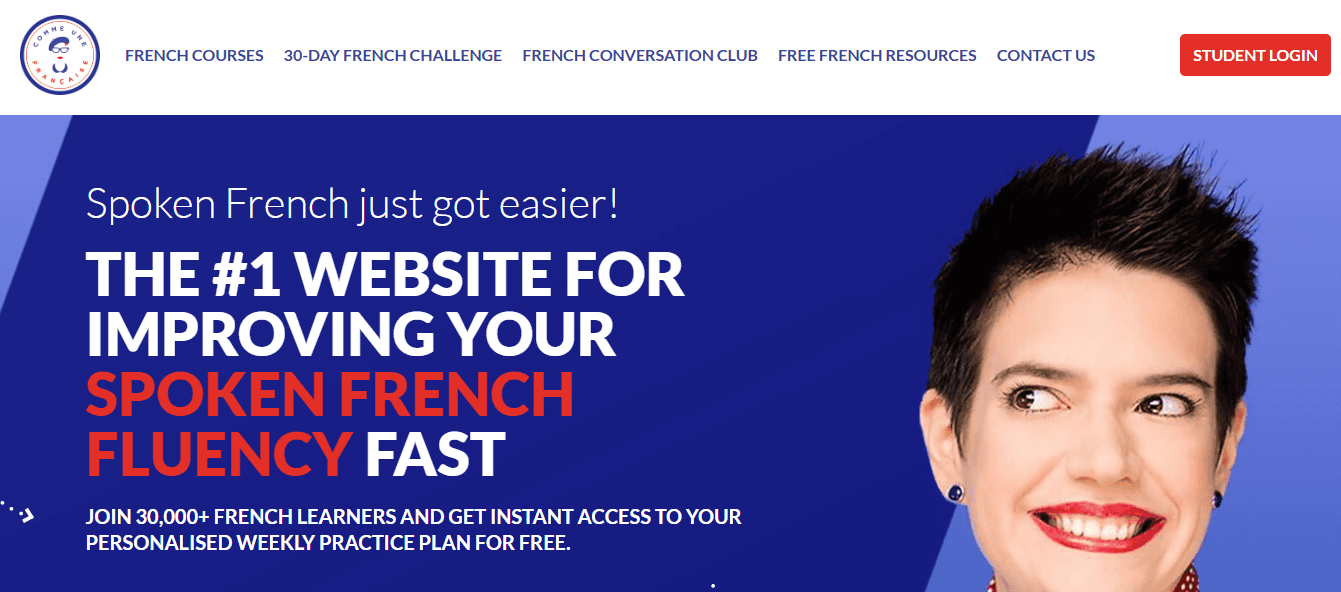
Best for cultural fluency and idioms that make you sound native. The lessons decode everyday politeness, slang, and situational behavior that you won't find in grammar books. Practice role-plays based on episodes to reinforce pragmatic usage.
8. HelloTalk
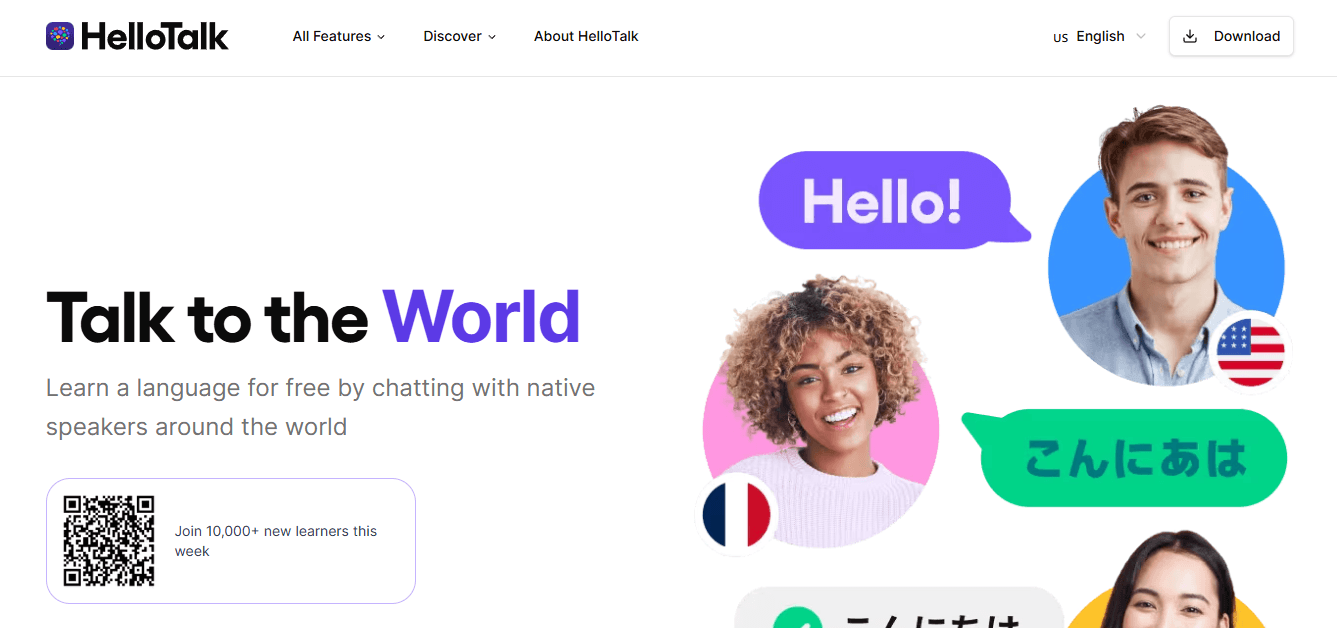
Best for free language exchange and asynchronous speaking practice. It connects learners with native speakers through text, voice messages, and corrections, though quality varies by match.
Set a simple rule: Exchange five voice notes per week focused on a single scenario.
9. TV5Monde Apprendre

Best for A1–A2 learners who want broadcast-quality content and interactive exercises. The platform pairs short clips with comprehension tasks that scaffold listening and vocabulary. Use the built-in exercises, then re-say key lines until they feel natural.
10. DELF Practice Tests
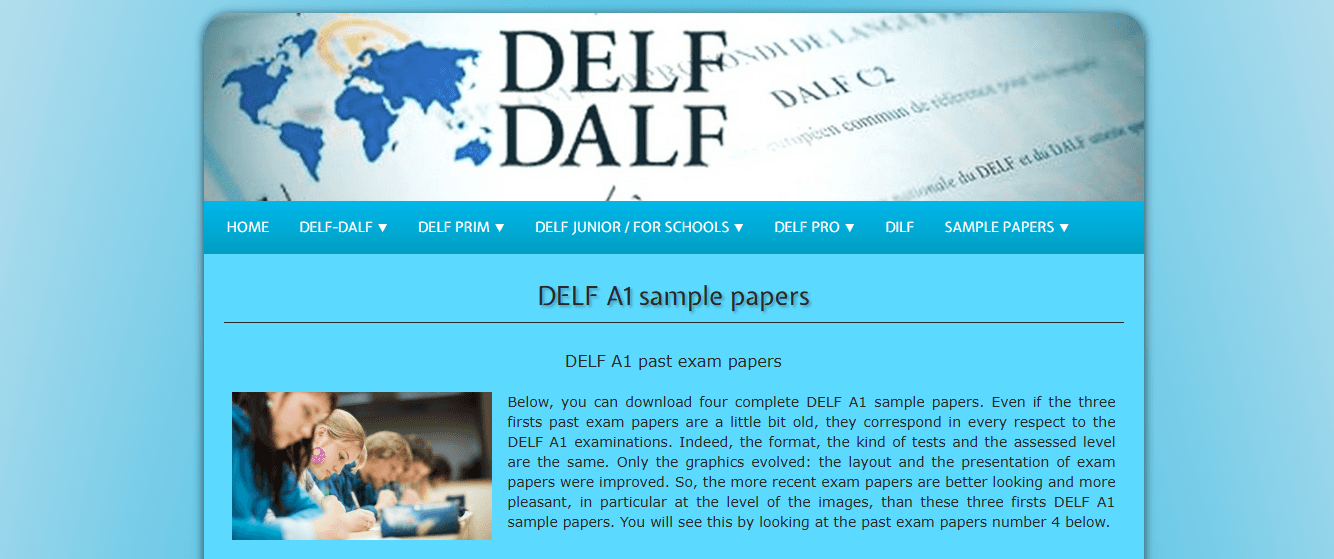
Best for exam candidates who need familiarity with the format and timing. Free PDFs mirror real questions and help with pacing under test conditions. Schedule timed mock exams monthly and review errors for targeted practice.
11. Babbel French
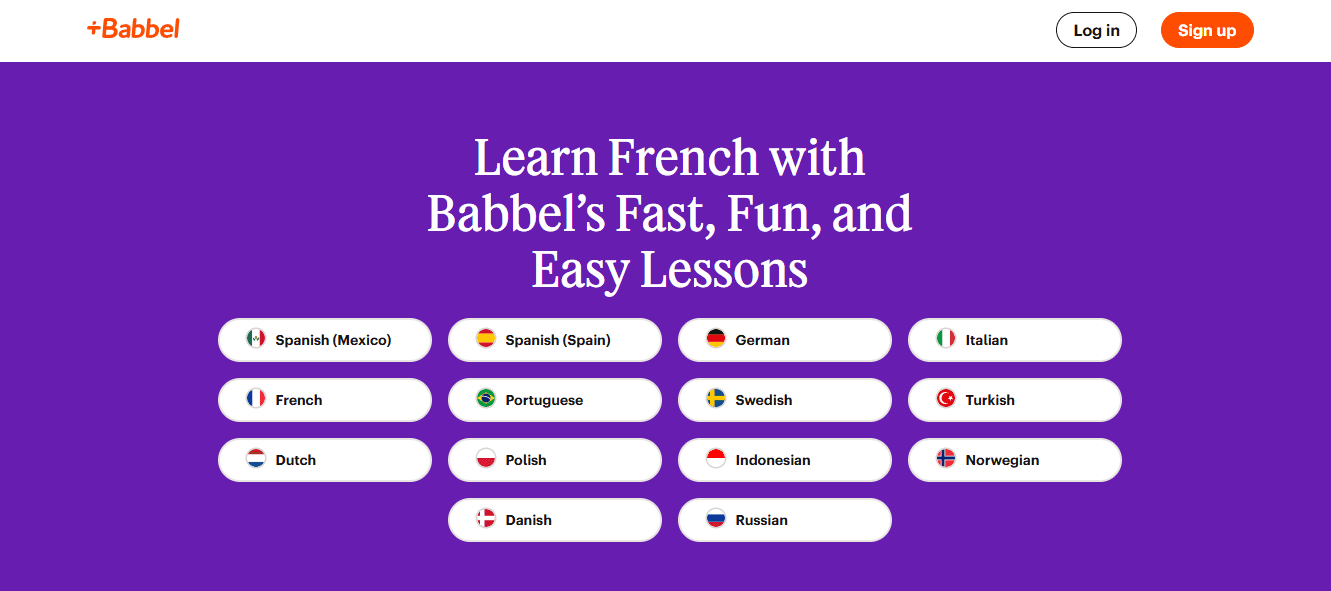
Best for learners who need a clear, structured progression in grammar. Babbel sequences lessons logically and uses spaced repetition for vocabulary retention. Use Babbel for explicit explanations, then move immediately to short speaking drills elsewhere to turn knowledge into speech.
12. Rocket French
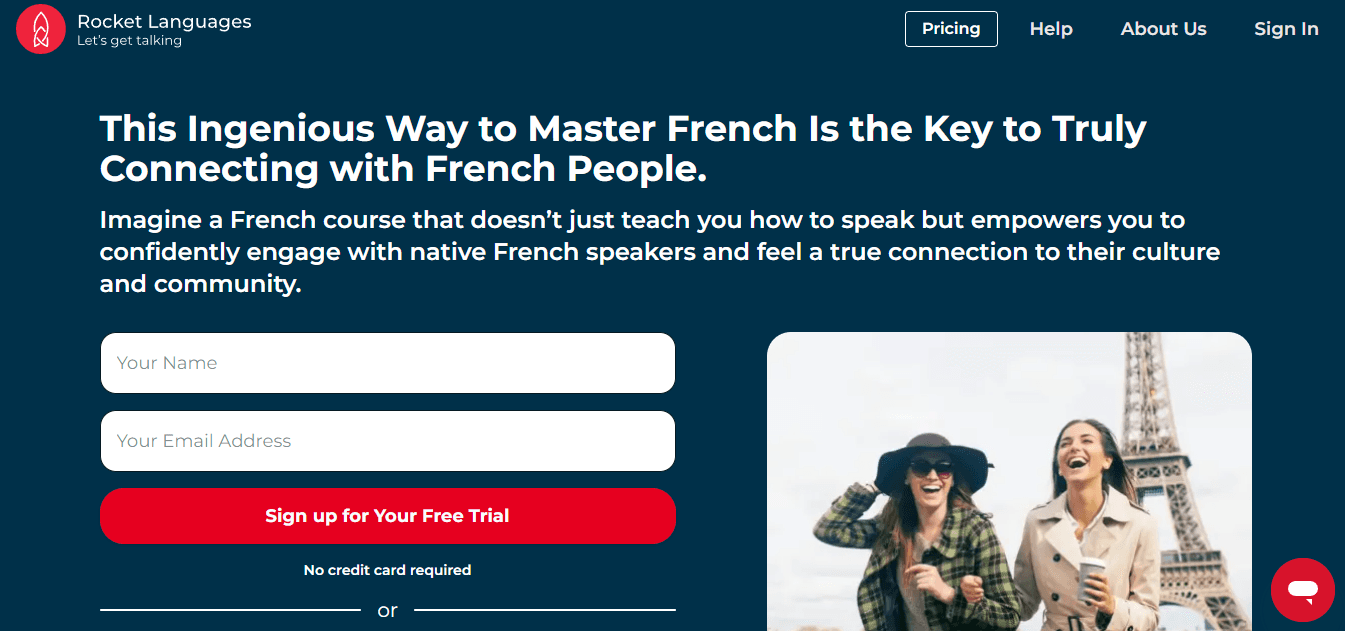
Best for learners who want deep grammar and cultural notes with long-form lessons. The course is thorough and better suited to self-directed students who enjoy workbook-style study. Alternate Rocket lessons with oral practice to make grammar usable in conversation.
13. Pimsleur French
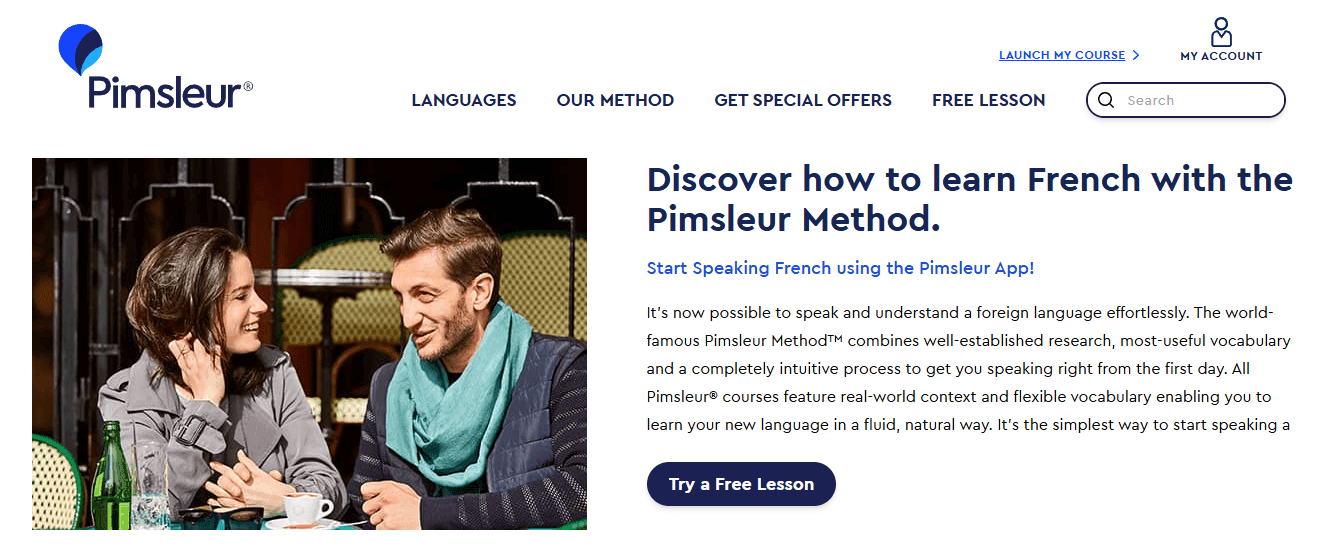
Best for audio-first speaking and pronunciation training. Pimsleur uses graduated recall with spoken responses to build production habits, especially useful for early-stage learners. Pair Pimsleur’s daily 30-minute sessions with short role-plays to expand response variety.
14. Glossika French
Best for pattern-based fluency and sentence mining. Glossika’s mass sentence training builds prosody and automaticity through spaced repetition of meaningful sentences. Use it once you have a solid foundation in grammar, focusing on varied sentence structures to improve fluency.
Closing the Feedback Gap: Why Consolidation Beats Fragmentation
Most learners mix structured lessons with informal conversation because that approach feels familiar and low-friction. That works early, but as conversation demands rise, switching tools wastes time, fragments progress, and momentum stalls.
Solutions like Pingo AI provide a single practice engine with:
A native-sounding AI tutor
Instant corrective feedback
Tutor Mode
200-plus scenarios
This shortens the feedback loop, consolidates practice, and enables faster conversational gains than scattered tools.
15. FluentU French
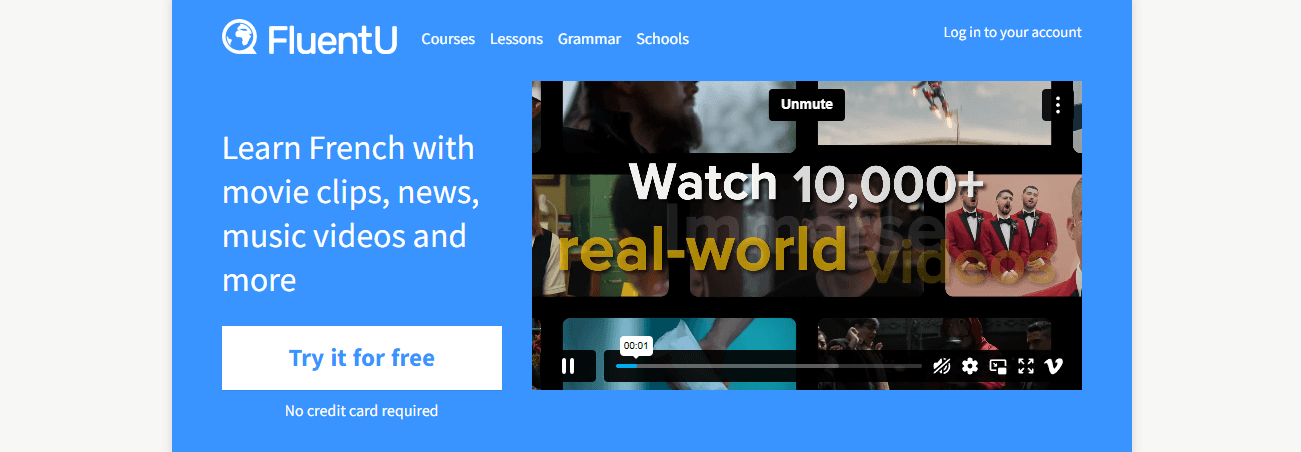
Best for learners who prefer video immersion with interactive captions. FluentU converts real-world clips into study units with clickable vocabulary and review tools. Use the platform for exposure, then extract two target sentences per video to practice aloud.
16. Ouino French

Best for learners who want customizable lesson order and control over pace. Ouino is strong on grammar drills and vocabulary sequencing. Create a focused unit of 10 vocabulary items and use them in three different spoken scenarios the same day.
17. Memrise French
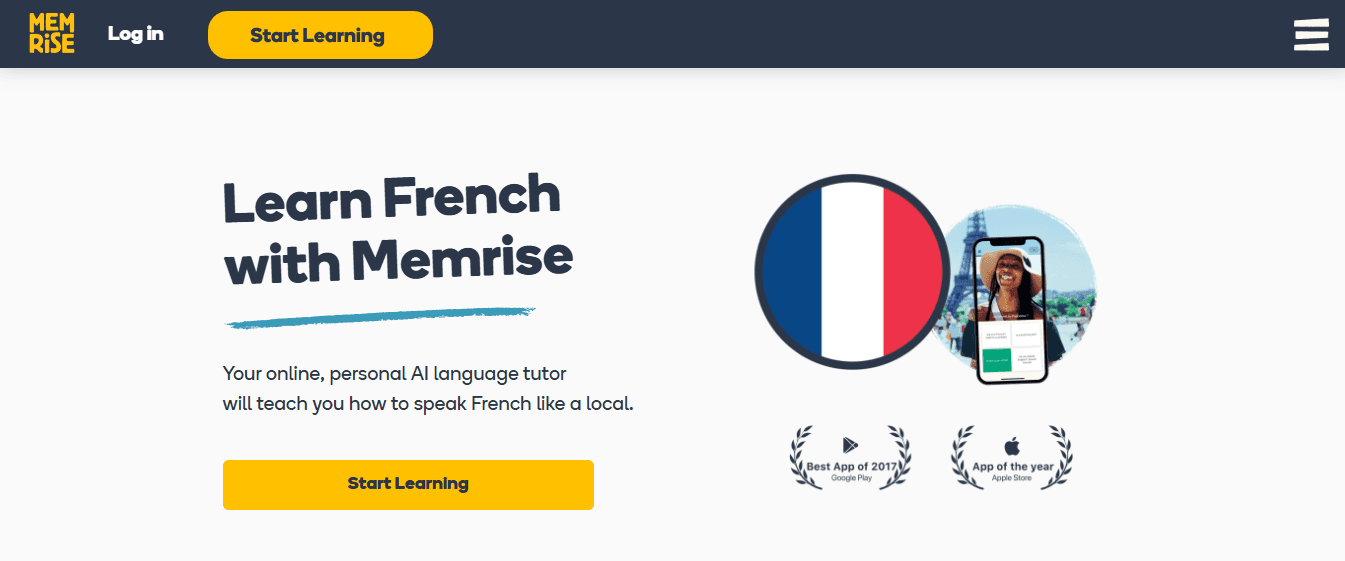
Best for rapid vocabulary building through mnemonics and spaced repetition. Memrise helps you store words quickly, though it does not force you to produce them. Turn memorized items into prompts for speaking tasks, like describing your day using new words.
18. Busuu French
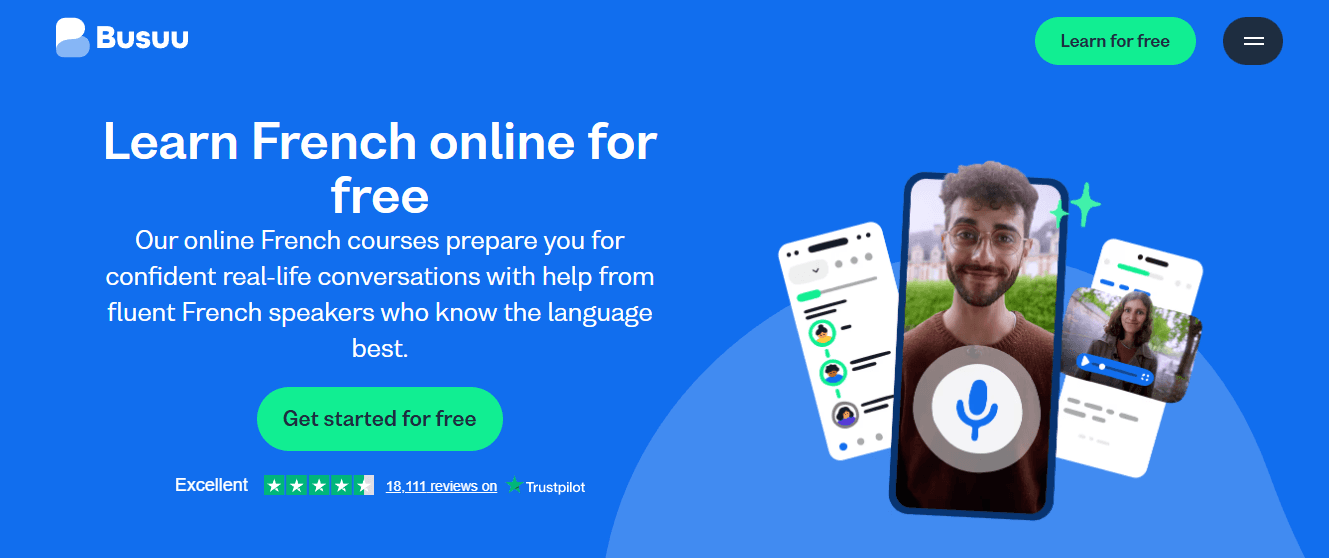
Best for structured lessons with community-corrected exercises. The social feedback loop provides practical corrections from native speakers and structured curricula up to B1. Use Busuu’s writing and speaking tasks, then review corrections aloud to internalize fixes.
19. italki French Tutors
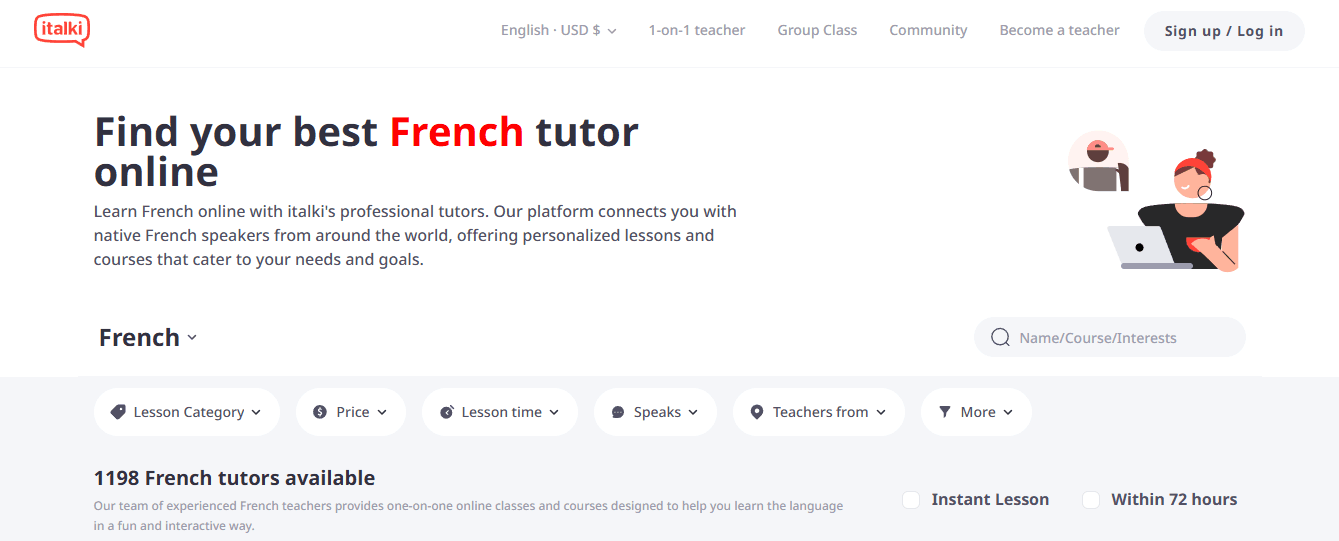
Best for one-on-one speaking practice with flexible scheduling. italki exposes you to a wide range of accents and teaching styles. Book regular short sessions and give each tutor a clear objective, for example, practicing ordering food or answering job interview questions.
20. Preply French
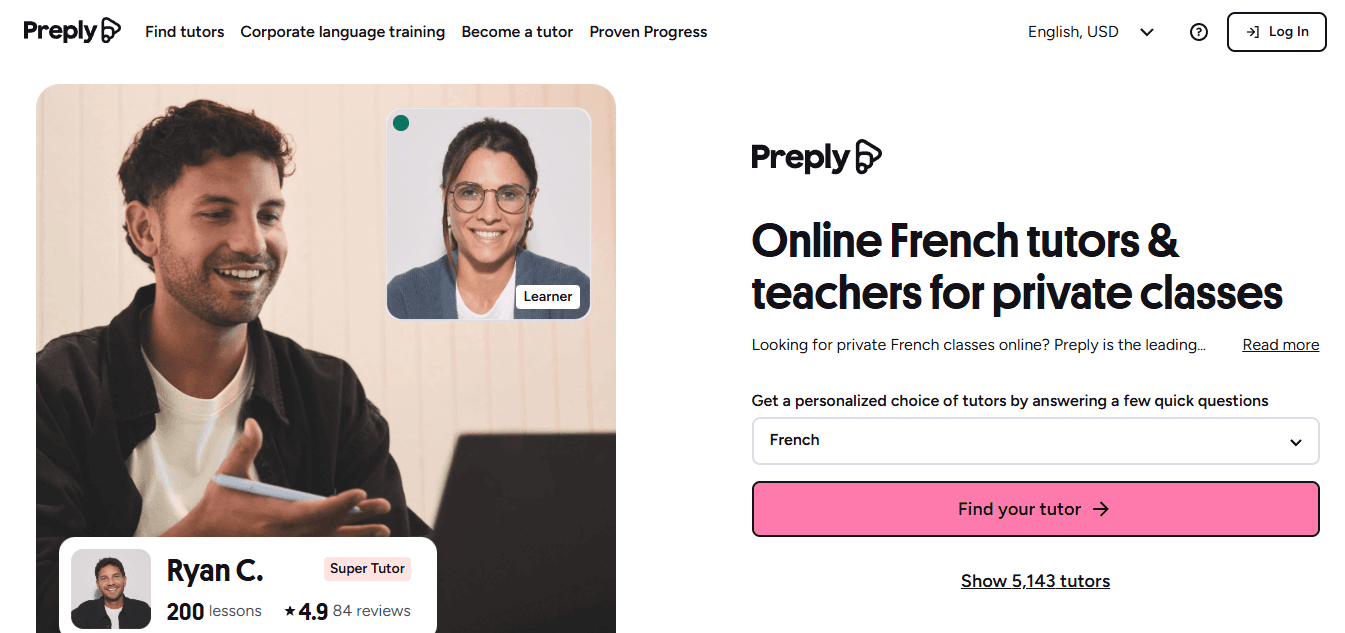
Best for personalized lesson plans and exam or niche topic preparation. The marketplace makes it easier to find tutors:
Who specializes in DELF
Business French
Conversation coaching
Ask tutors to have weekly homework performed aloud and recorded for review.
21. Lingoda French
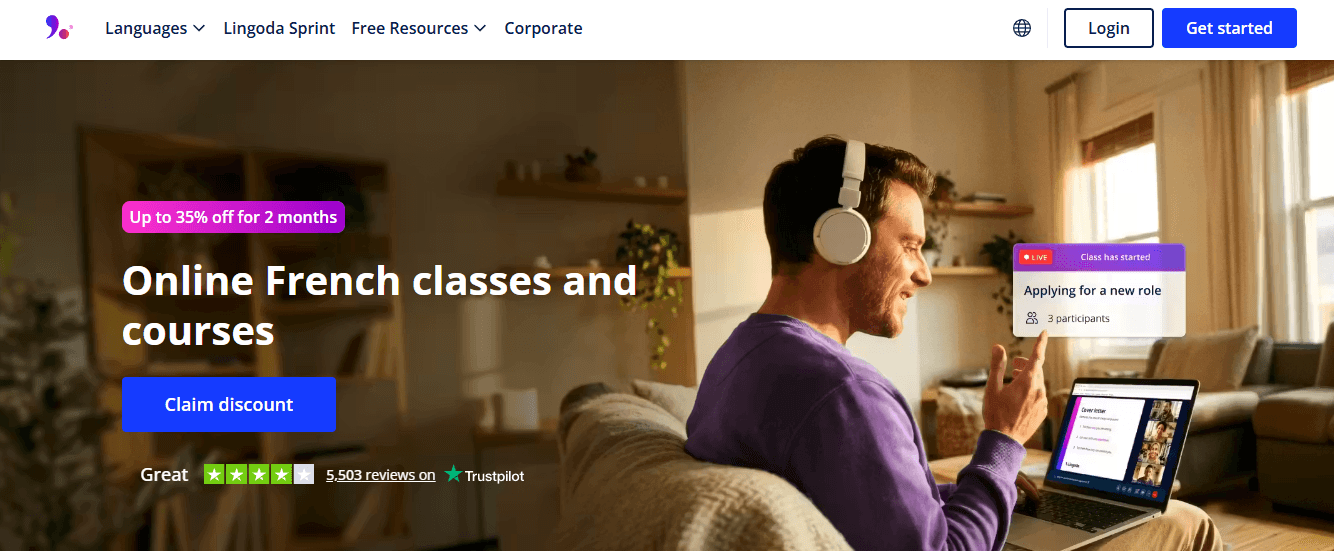
Best for consistent, scheduled group classes with certified teachers. The “Sprint” model accelerates progress through frequent live lessons and accountability. Join a sprint when you need a forced cadence and swap passive study days for speaking assignments.
22. Superprof French
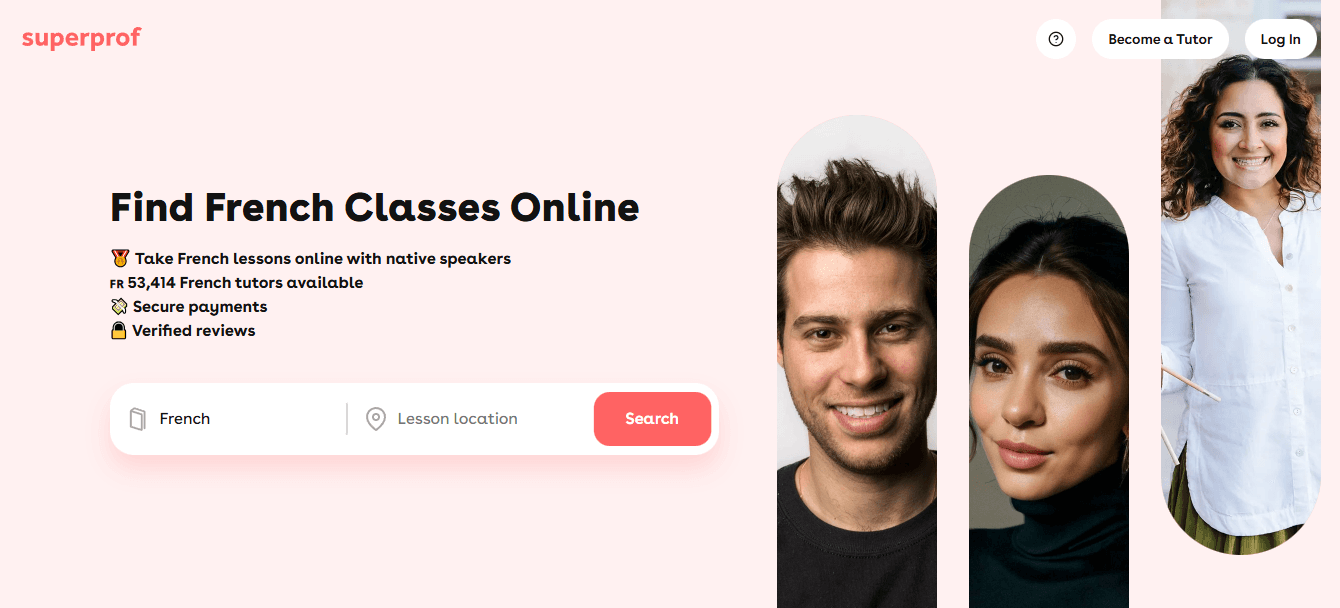
Best for flexible local or online private tutoring. Superprof offers in-person chemistry options, ideal for learners who prefer a traditional teacher-student dynamic. Pack each lesson with speaking goals and practice them midweek to maintain momentum.
23. Classgap French
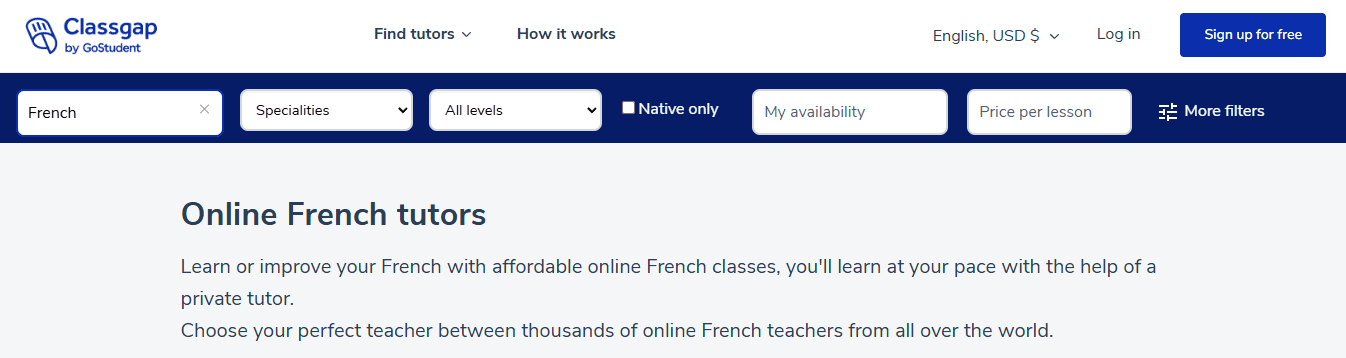
Best for interactive, whiteboard-enabled online tutoring. The platform supports lesson materials and dynamic teaching that suit learners who prefer explained grammar and practice. Use Classgap for targeted sessions to rehearse specific dialogues.
24. Verbling French
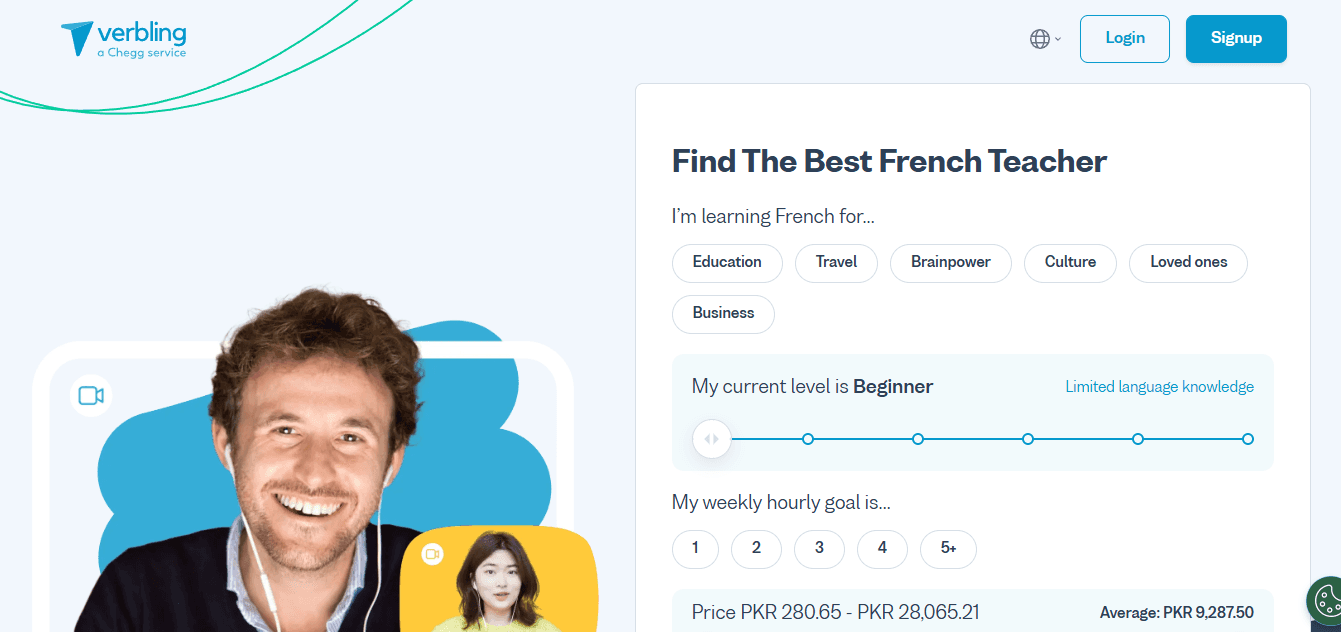
Best for structured, vetted tutors and consistent lesson planning. Verbling emphasizes professional lesson delivery and a steadier curriculum. Schedule two weekly lessons to maintain high frequency and practice spontaneously between sessions.
25. Coursera: École Polytechnique French Courses
Best for learners who want university-level structure and credibility. These four- to six-week courses offer academic rigor and the option to audit for free or pay for certification. Use Coursera modules for disciplined study blocks, and balance them with live speaking practice elsewhere.
26. edX: Basic French (Paris-Saclay)
Best for academically rigorous introductions with free audit options. The course suits learners who appreciate formal explanations and measured progression. After each module, deliver a brief spoken recap to translate passive learning into active use.
27. GlobalExam DELF Online Prep
Best for serious exam preparation with timed mock tests and scoring simulations. GlobalExam simulates real-world testing conditions and identifies weak skills under pressure. Schedule full-length mocks under timed conditions and then target weak sections with focused speaking practice.
The Safety of the Sandbox: Why ‘Judgment-Free’ Practice Accelerates Fluency
After working with learners across formats, a clear pattern emerges: they want variety and structure, and they stick with programs that turn new knowledge into short, repeatable speaking tasks within a weekly rhythm. That means pairing one structured course for explanations with a dedicated speaking practice engine is more effective than juggling multiple subscriptions. Think of your toolkit like climbing gear, not a library. You need the rope, certainly, but you also need to get on the wall to learn how to use it. If you're ready to start “climbing,” try an AI language-learning app to build your confidence in a judgment-free environment before your next live conversation.
The Pragmatic Gap: Why ‘Good Grades’ Don't Always Equal ‘Good Conversations’
French is the second most studied language in the world. This popularity, as reported by Pingo AI Blog, explains why tutors, playlists, and course specializations are abundant.
Over 300 million people speak French worldwide. That scale, from the Pingo AI Blog, allows you to target region-specific accents and situations based on your goals. What comes next uncovers the practice element most courses skip, and why that gap makes all the difference.
Related Reading
• Online Chinese Courses for College Credit
• Best Online Korean Language Courses
• Best Program to Learn German
• Online Spanish Courses for Adults
• How Long Does it Take to Learn Portuguese
Why Speaking Practice Is the Missing Piece
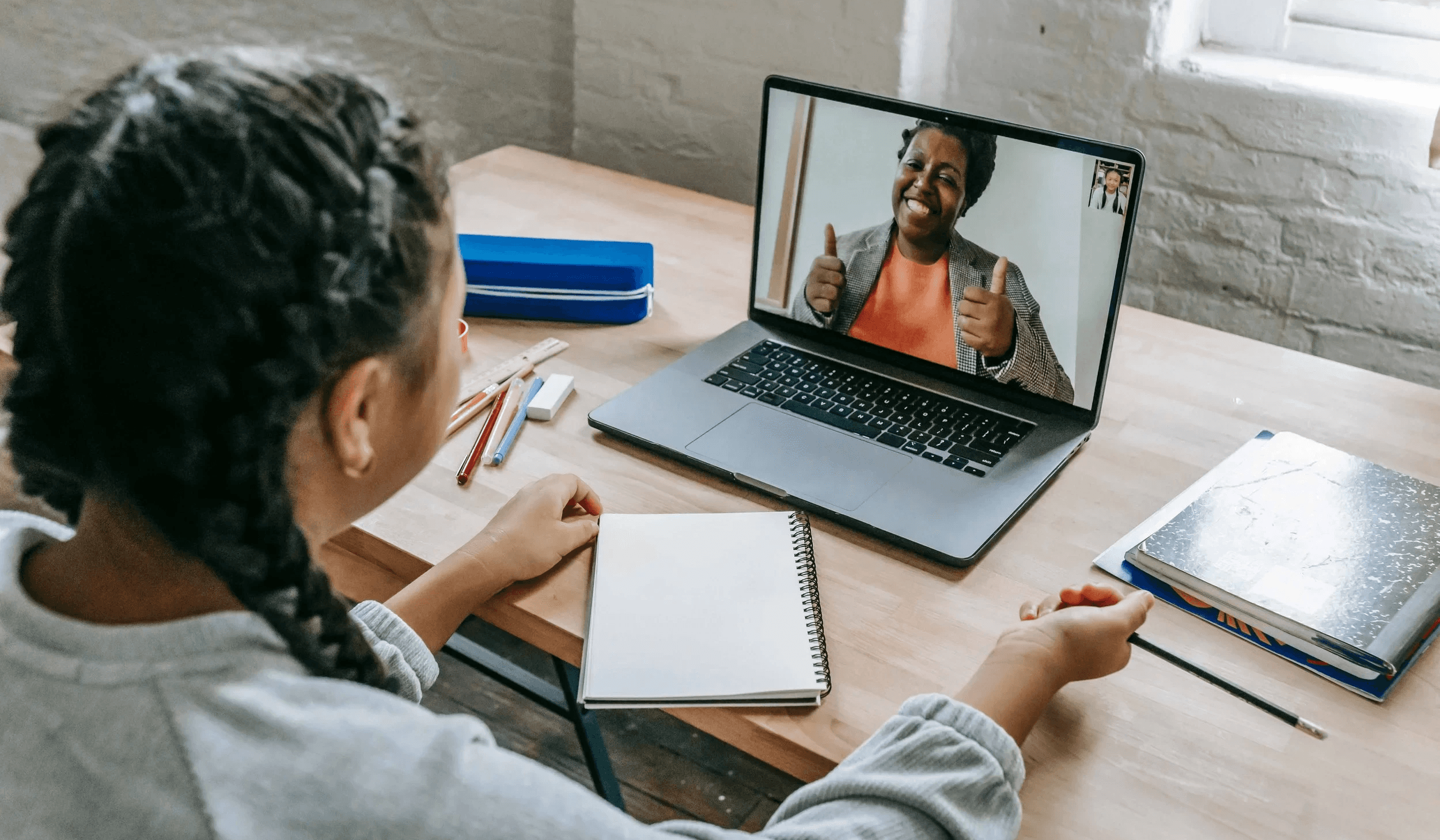
Speaking practice is the missing piece because it forces retrieval, real-time formulation, and corrective feedback in ways passive study does not, turning knowledge into usable speech quickly. Without frequent, varied output, your brain never automates pronunciation, timing, or the ability to adapt language under pressure, so progress stalls even when comprehension improves.
How Does Speaking Rewire Learning?
When you speak, you move information:
From declarative memory
Where words sit like files
Into procedural memory
Where responses become automatic
Speaking makes retrieval immediate, trains the timing of phrases, and forces you to simplify or repair meaning on the fly, which is why fluent speech feels effortless while vocabulary lists do not. Think of vocabulary as fuel and speaking as learning to drive: until you put your hands on the wheel and exceed the speed bump, the car stays parked.
Why Do Learners Avoid The One Thing That Works?
This pattern appears across classroom, self-study, and marketplace settings: learners choose comfortable input over exposed output because speaking is awkward, expensive, and hard to schedule.
Anxiety about mistakes:
Shuts down practice
Tutors add recurring cost and calendar friction
Many apps deliver no true conversational unpredictability
No wonder a recent survey by Language Learning Institute, which found “75% of language learners report that speaking practice is the most challenging aspect of language acquisition,” captures a universal emotional barrier that slows progress.
What Breaks When Speaking Is Missing From The Curriculum?
Courses that prioritize scalable content over repeated production create a gap between recognition and usable speech, a curricular blind spot that few programs correct. That gap is not small: a study by the Global Language Education Association, “Only 30% of language courses include sufficient speaking practice in their curriculum,” shows the structural reason learners rarely get the repetition and feedback they need to build fluent output. The result is predictable: students who can understand a lot but cannot respond in real time.
Why Short, Frequent Speaking Wins Over Long, Rare Sessions
The core mechanism is simple and measurable: short production cycles force many low-stakes attempts, each one delivering error signals and small corrections that compound into habit.
Practicing five minutes of targeted dialogue every day:
Reduces pressure
Increases variation
Creates spacing that strengthens retrieval
This is deliberate practice, not casual conversation: you vary the context, reuse target phrases, and receive immediate correction, so your articulatory settings and prosody adapt faster than with passive input.
The Forgetting Curve: Why 48 Hours Between Lessons Destroys Progress
Most learners default to one of two familiar approaches, and both fail at scale. The familiar approach is booking occasional tutors because live human feedback feels safe and precise. That works early, but the cost and scheduling fragmentation of practice into infrequent sessions leave long gaps where skills decay.
Solutions like Pingo AI provide an alternative, third-person path, offering:
Native-sounding
Always-available conversation practice with instant
Actionable feedback and scenario-driven repetition
It compresses the feedback loop and preserves momentum without the tutor overhead.
How Speaking Builds Confidence, Not Just Competence
When you practice under mild, repeated pressure, mistakes lose emotional weight and become data. That gradual recalibration shifts the learner’s identity from hesitant to capable, and confidence feeds more practice, creating a positive loop. Neuroplasticity prefers many small adjustments over rare, large corrections, so habitual speaking rewires timing and fluency faster than passively absorbing material.
The Social Ego: Why We Would Rather Be Silent Than Wrong
A clear practical image: imagine learning to sail by reading the manual versus steering the boat in shifting wind. Only one prepares you for the unpredictable. Speaking practice is the session on the water; it is where grammatical knowledge meets timing, prosody, and the human noise of real conversation. That solution path is logical, but there is one persistent snag nobody talks about aloud, the emotional cost of the first dozen awkward attempts. That simple snag is where the next section begins.
Start Learning French with Pingo for Free Today
You can start learning French with Pingo AI for free today by downloading the app and creating a free account, then launching a practice conversation to see how speaking changes what you actually retain. Pair it with your favorite online French course or other online French lessons and judge progress by the conversations you can hold, not by how many modules you complete.
Related Reading
• Polish Language Classes Online
• Best Foreign Language Programs
• Duolingo vs Mango
• Best Online Language Courses
• Best Apps to Learn Portuguese
• Best Online Russian Language Courses